Wick Through the Ages: Exploring Local Heritage from Mackays Hotel
Wick is a town with many stories to tell. Its harbour, streets and surrounding coastline carry traces of ancient settlement, Norse influence, medieval strongholds and a fishing industry that shaped generations of local life.
For those interested in Wick history, these stories are not hidden away. They can be found in the town’s buildings, museums, archives and coastal paths, often within easy reach of one another.
Set in the centre of town, Mackays Hotel Wick offers a comfortable place from which to discover them. Guests can spend the day exploring heritage sites in Wick, then return to a warm welcome, a relaxed meal and time to reflect on the places they have seen.
A Town Shaped Over Centuries
The story of Wick begins long before its harbour became busy with fishing boats. The surrounding Caithness landscape contains evidence of prehistoric communities, while the wider region was later influenced by Pictish and Norse culture.
Wick’s name is generally linked to the Old Norse word vík, meaning a bay or inlet. It is a quiet reminder of the Scandinavian influence that once extended across Caithness and other parts of Scotland’s northern mainland.
This early history can feel distant, yet it remains present in local place names, archaeological sites and the character of the landscape. Across Caithness, brochs, cairns and old settlements help place Wick within a much longer story of Highlands history.
For visitors looking for things to do in Wick, beginning with this wider sense of place makes the town’s later history feel even more meaningful.
Begin Beside the Harbour
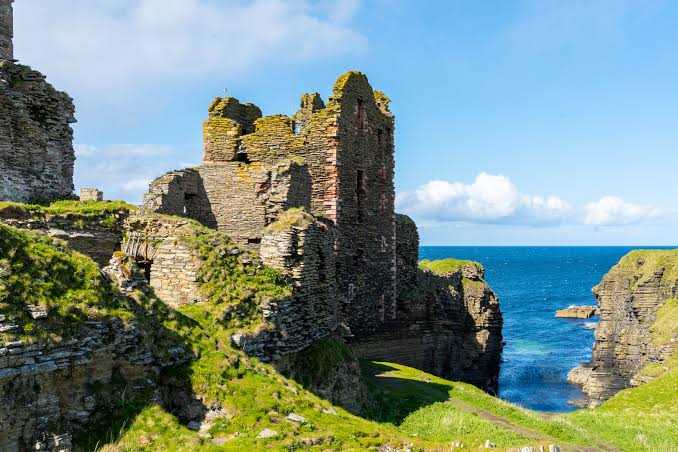
Wick Harbour is one of the most natural places to begin exploring. The town’s identity has long been connected to the sea, but this relationship became particularly important during the growth of the herring industry in the 19th century.
Plans for the harbour and the new settlement of Pulteneytown began in the early 1800s. Thomas Telford drew up plans for the development, with local architect George Burn overseeing work as the harbour and fishing community expanded. The inner harbour was later reconstructed under Telford between 1824 and 1831.
Walking around the harbour today offers a sense of how closely the town’s homes, streets and working life grew around the water. Old salt stores, harbour buildings and maritime landmarks offer small reminders of an industry that once brought large fishing fleets and seasonal workers to Wick.
It is one of the most atmospheric historic Wick attractions, not because it has been preserved as a single monument, but because it remains part of the everyday life of the town.
Step Into Wick’s Past
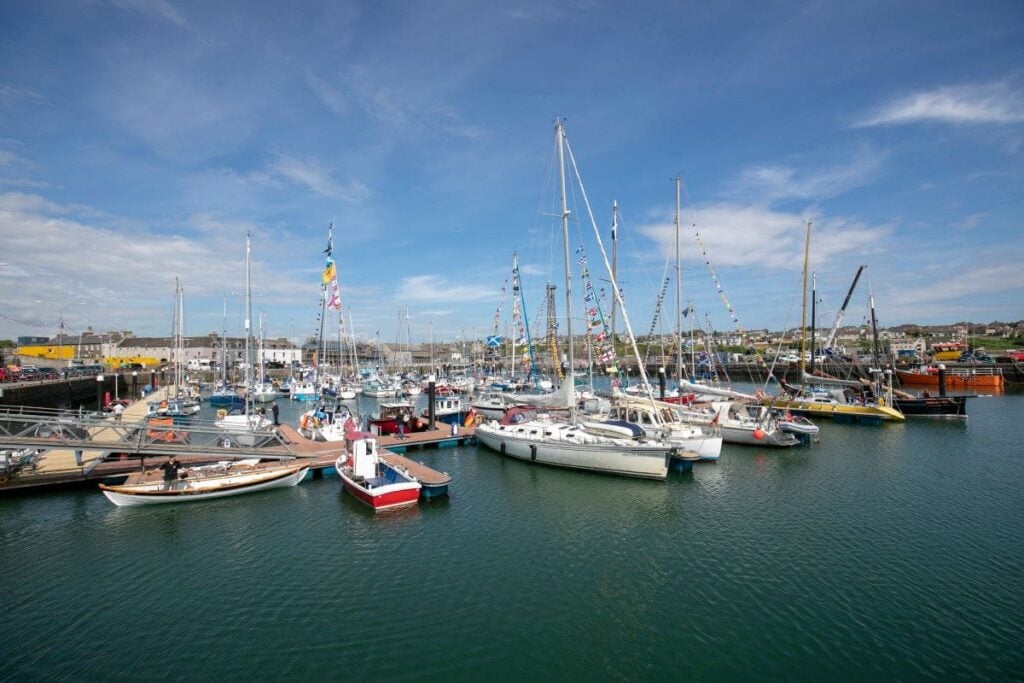
For a closer look at local life, Wick Heritage Museum brings together many strands of the town’s story.
The museum is operated by the Wick Society, which has worked to protect and share Wick history since 1971. Its collections include furnished period rooms, traditional household objects and displays relating to fishing, trade and family life. Each collection offers a glimpse into how people lived and worked during some of the most important periods in Wick history.
The Johnston Collection adds another layer. Created by three generations of local photographers, it documents life in Wick and the wider Caithness area between 1863 and 1975. Around 50,000 surviving glass-plate negatives capture local people, streets, industries and moments that may otherwise have been lost.
Wick Voices preserves the memories of local residents through oral recordings, while the Isabella Fortuna, a traditional fishing vessel cared for by the Wick Society, offers a more tangible connection to the town’s maritime past.
Together, these collections show that history is not only about major dates or buildings. It is also found in ordinary homes, working lives, family photographs and stories passed from one generation to the next.
Castles Along the Caithness Coast
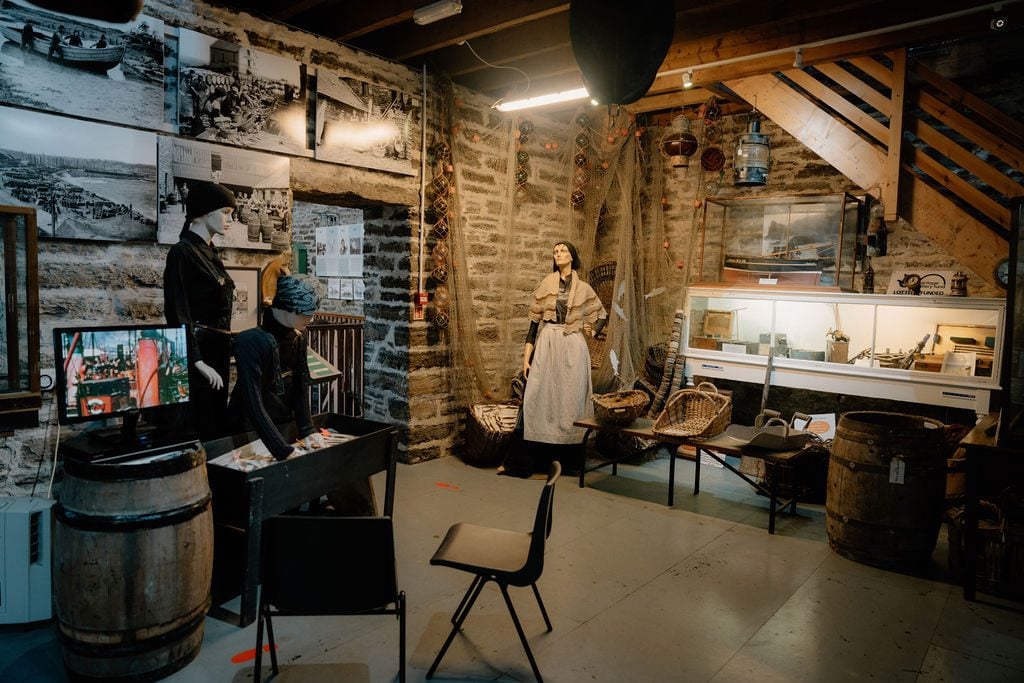
South of the town, the Castle of Old Wick stands on a narrow spine of rock reaching out towards the North Sea.
Also known as the Old Man of Wick, the surviving structure is thought to date from the later 14th century, although the precise origins of the stronghold remain uncertain. Its four-storey tower once formed part of a larger defended site, protected by steep gullies, earthworks and a rock-cut ditch.
Very little of the castle remains, but that simplicity is part of its atmosphere. The weathered stone, open sea and surrounding cliffs allow visitors to imagine how isolated and formidable the site must once have felt.
The walk also offers a chance to experience the Caithness coastline at a slower pace. Here, Wick history is closely tied to the landscape. The ruins and their setting feel inseparable from one another.
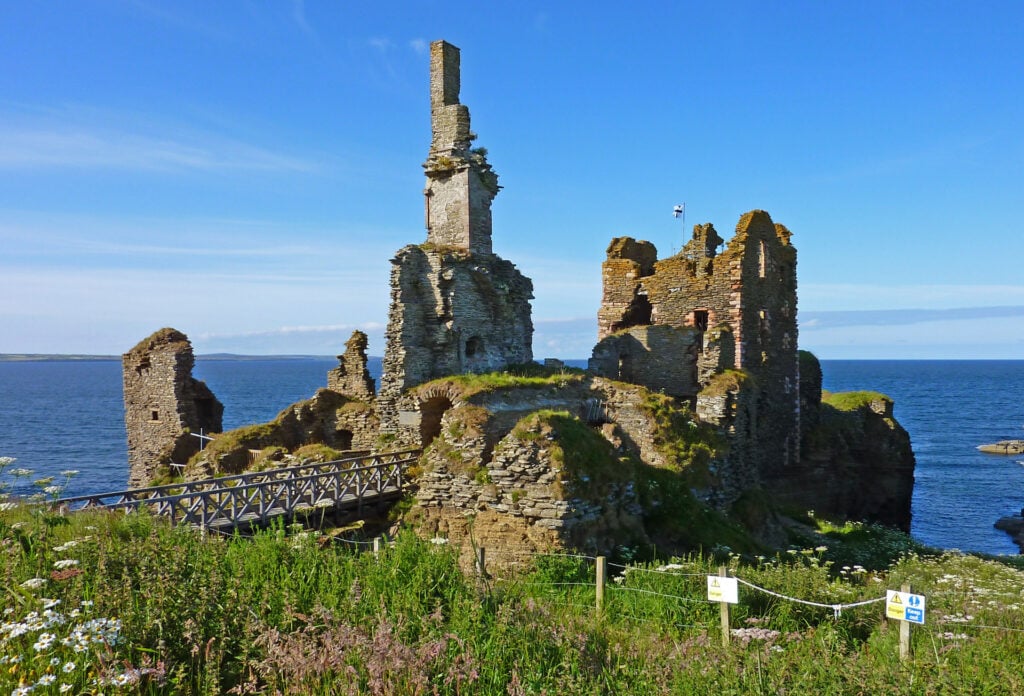
Further north, Castle Sinclair Girnigoe offers another view of the region’s medieval past. The site brings together the remains of two connected strongholds associated with the Earls of Caithness and Clan Sinclair.
Its position is particularly striking. Walls and towers seem to rise directly from the rocky headland, with narrow inlets and the open North Sea below.
For visitors exploring heritage sites in Wick and the surrounding area, both castles provide a memorable combination of architecture, history and coastal scenery.
Maritime Traditions and Small Discoveries
Wick’s relationship with the sea can also be explored through its whisky heritage.
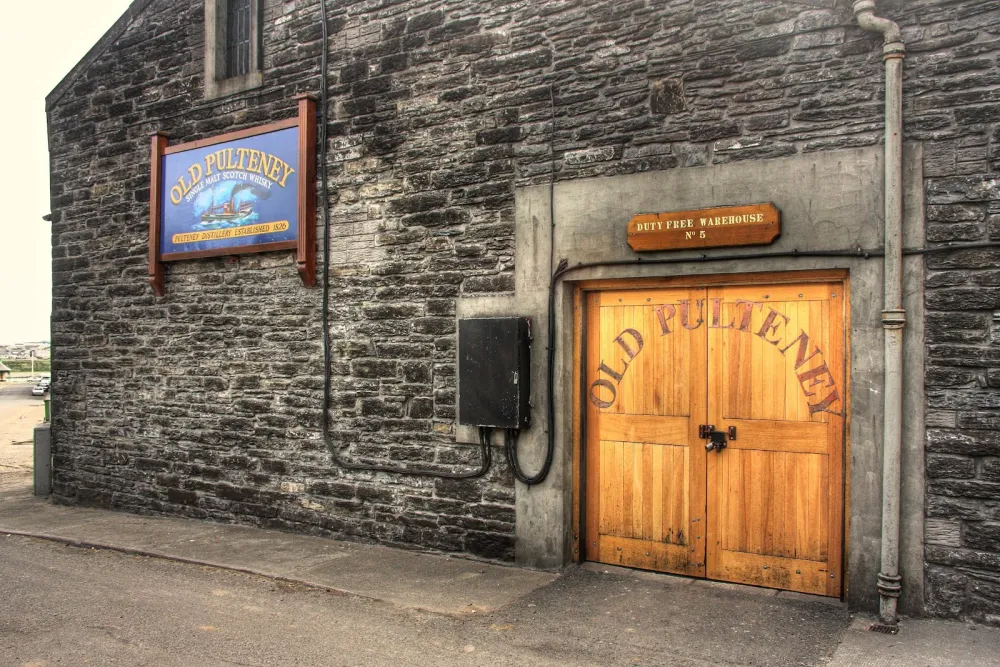
Old Pulteney Distillery has produced whisky in the town since 1826. Its story is closely connected to the development of Pulteneytown and the maritime community that grew around the harbour.
A distillery visit offers a different way to understand Wick. It tells a story of local craft, changing industries and a product shaped by its northern coastal setting.
The distillery sits naturally alongside the harbour, museum and surrounding streets as part of the town’s wider heritage. Each place reveals a different side of Wick’s past, yet all are linked by the sea and the people who built their lives around it.
Not every piece of local history appears on such a large scale.
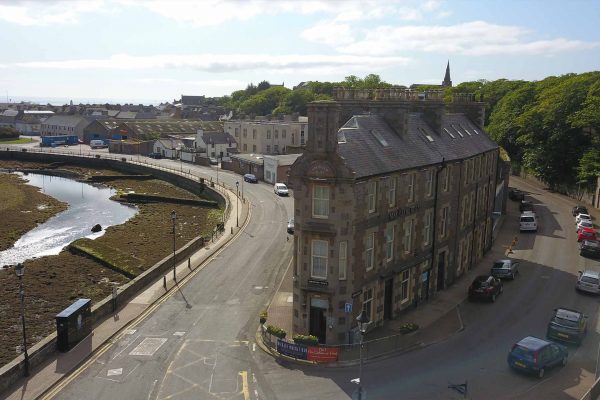
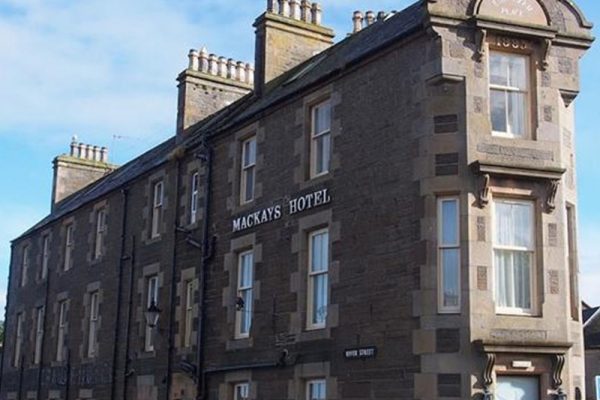
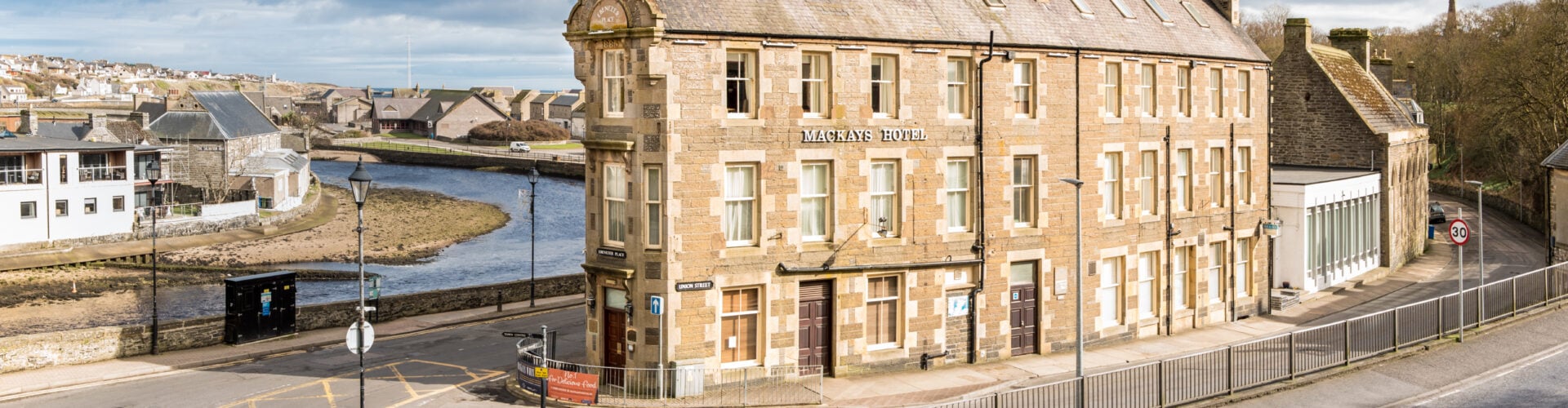
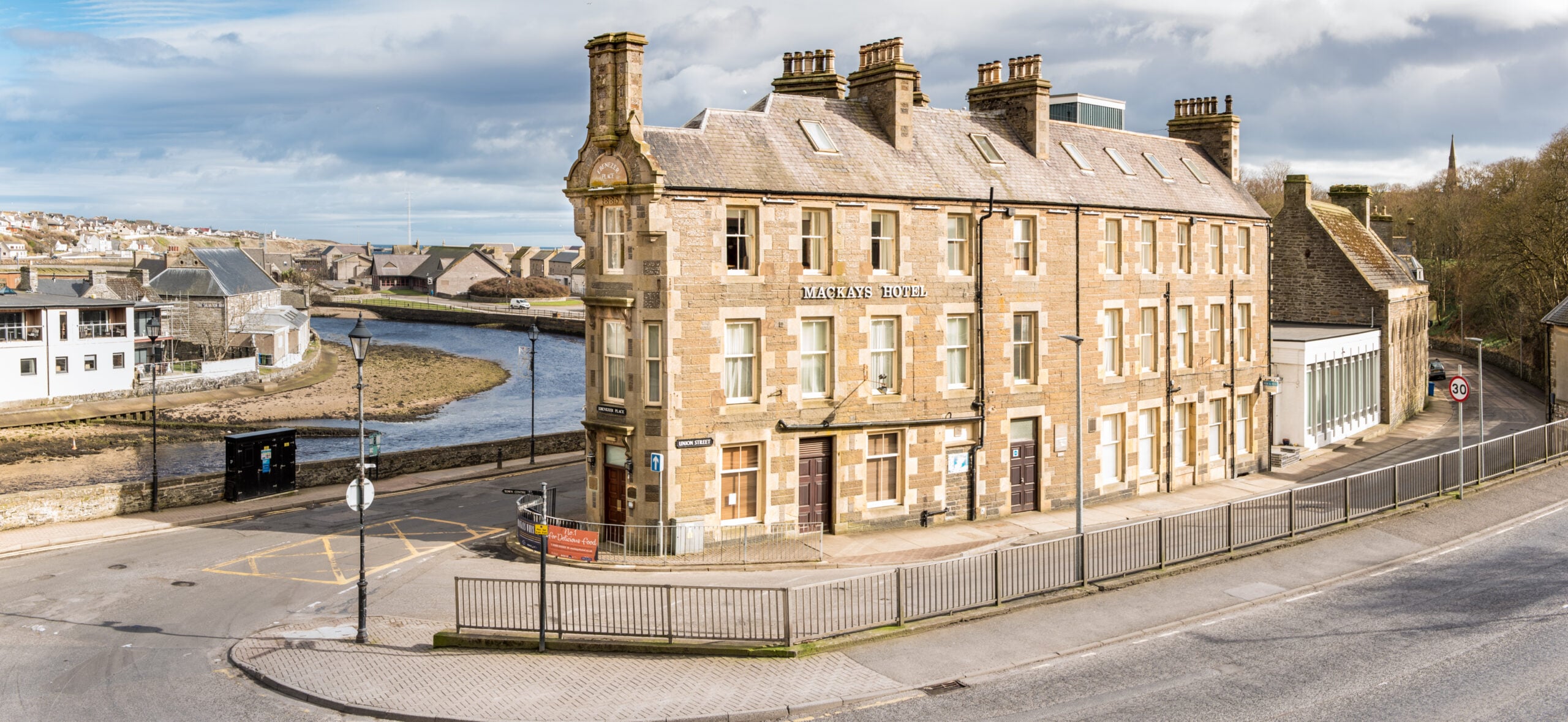
Mackays Hotel stands beside Ebenezer Place, recognised as the world’s shortest street. Measuring just 6 feet 9 inches, it has one address and is home to the entrance of No.1 Bistro.
It is a small and slightly unexpected landmark, but one that reflects the individual character found throughout the town.
From historic street names and stone buildings to harbour details that might otherwise be missed, some of the most enjoyable discoveries come from taking time to look around. For anyone considering things to do in Wick, a simple walk through the town can reveal just as much as a planned visit to a major attraction.
Return to Mackays Hotel Wick
After a day spent following the harbour, visiting museums or walking towards the castle ruins, Mackays offers an easy place to return to.
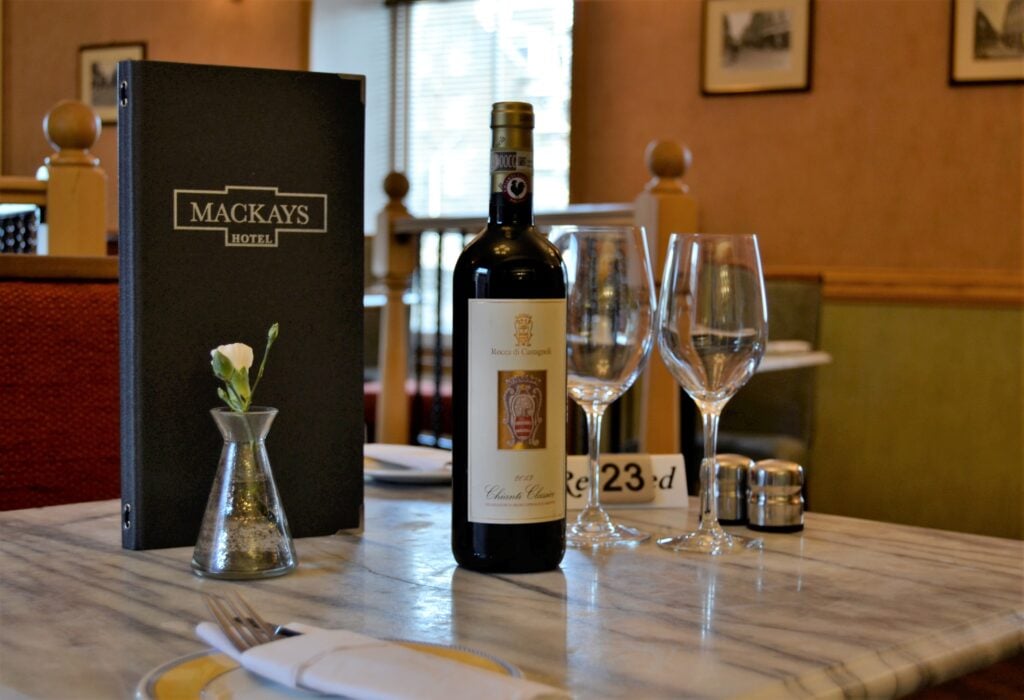
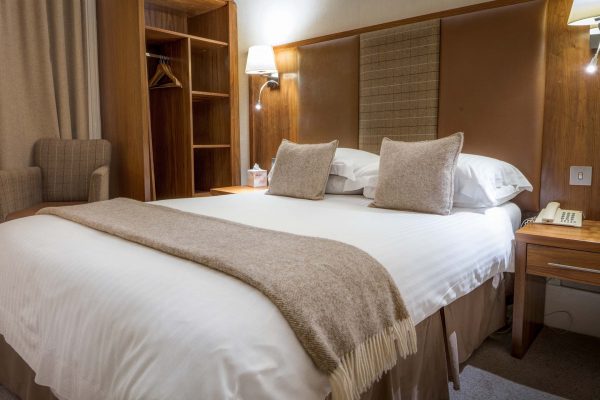
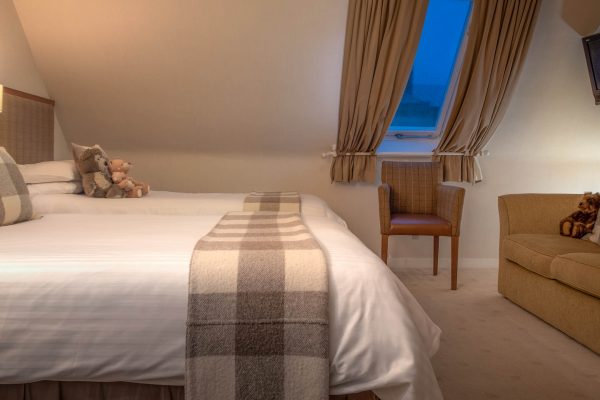
The family-run hotel sits in the centre of Wick, close to many of the places that help tell the town’s story. Guests can settle into their room, enjoy dinner at No.1 Bistro or spend a slower evening over a drink in Mackays Bar.
There is no need to rush onwards. The places visited during the day can become part of the conversation around the table.
This balance of exploration and comfort makes Mackays Hotel Wick a natural base for discovering local heritage. Guests can see more of the town while still enjoying the warmth and familiarity of a welcoming Highland hotel.
Wick’s past can be explored through ancient influences, medieval ruins, fishing traditions, whisky making and the personal memories preserved by local people.
Yet this is not a town held entirely in the past. The harbour still works. Local stories continue to be shared. Historic buildings remain part of daily life.
For visitors drawn to Wick history, that sense of continuity is what makes the town so rewarding. Its heritage is not contained within one museum, monument or period. It is spread across the streets, coastline and community.
Stay for a little longer. Follow the stories. Discover Wick at your own pace.